Designing a pet-friendly outdoor area in Redland Bay requires practical planning, material selection, and long-term maintenance strategies that balance durability, safety, and comfort for animals. Asphalt surfaces, including asphalt driveways and bitumen driveway finishes, are popular in South-East Queensland for their affordability and weather resistance. This article explains how to plan and implement a pet-safe layout for driveways, yards, and acreage properties, covering asphalt driveway installation, asphalt carpark construction, and considerations unique to Redland Bay’s climate and local regulations in 2026.
Why asphalt and bitumen are good choices for pet-friendly surfaces
Asphalt and bitumen-based surfaces offer several advantages for pet owners in Redland Bay:
- Comfort and traction: Properly laid asphalt provides a smooth, yet grippy surface that reduces slips for dogs and cats compared with polished concrete. Heat retention control: Modern asphalt mixes and surface treatments help manage surface temperature—important under Redland Bay’s summer sun. Durability: Asphalt withstands frequent use, vehicle traffic, and weather cycles when installed and maintained correctly. Low maintenance: Routine sealing and minor repairs are straightforward and cost-effective.
Local climate and regulatory considerations in Redland Bay (2026)
Redland Bay has a subtropical climate with hot, humid summers and mild winters. As of 2026, local planning and environmental guidelines emphasise stormwater management, permeable surfaces where possible, and materials that reduce urban heat island effects. Check Redland City Council requirements for driveway crossover permits, stormwater discharge, and https://jsbin.com/wekuxokece verge works before starting any construction.
Key points to verify with local authorities:
Permits for driveway crossovers and kerb work. Stormwater connection and runoff control expectations (silt traps, swales, or permeable edges). Vegetation protection rules for mature trees and native species.Design principles for pet-friendly asphalt driveways and yards
Effective planning balances safety, functionality, and environmental factors. Use these design principles when planning an asphalt driveway or acreage driveway for pets:
Surface texture and aggregate selection
Choose an asphalt mix with a fine surface texture to avoid paw pad abrasion while maintaining traction. Smaller aggregate sizes reduce the chance of gravel uptake and are gentler on paw pads. Discuss mix options with your contractor, specifying pet safety as a priority.
Shade, cooling, and surface temperature
Asphalt can become hot in summer. Mitigate heat stress by incorporating shade structures, planting native shade trees, and using lighter-coloured surface treatments or cool sealants. Position shaded resting areas adjacent to driveways and yards so pets can stay cool when outdoors.
Perimeter design and containment
Secure fencing and gates should be integrated with driveway and yard layouts. For asphalt carpark construction near yards, ensure clear separation between vehicle zones and pet play areas with durable barriers, bollards, or raised kerbs. For acreage properties, plan access control points and sightlines to prevent pets from wandering onto roads.
Drainage and stormwater management
Proper drainage protects asphalt from premature deterioration and keeps pets from standing water, which attracts pests. Use graded slopes (1-2% fall) away from structures, install crossfalls on driveways, and incorporate swales, infiltration trenches, or permeable bordering materials to manage runoff responsibly.
Planning an asphalt driveway installation with pets in mind
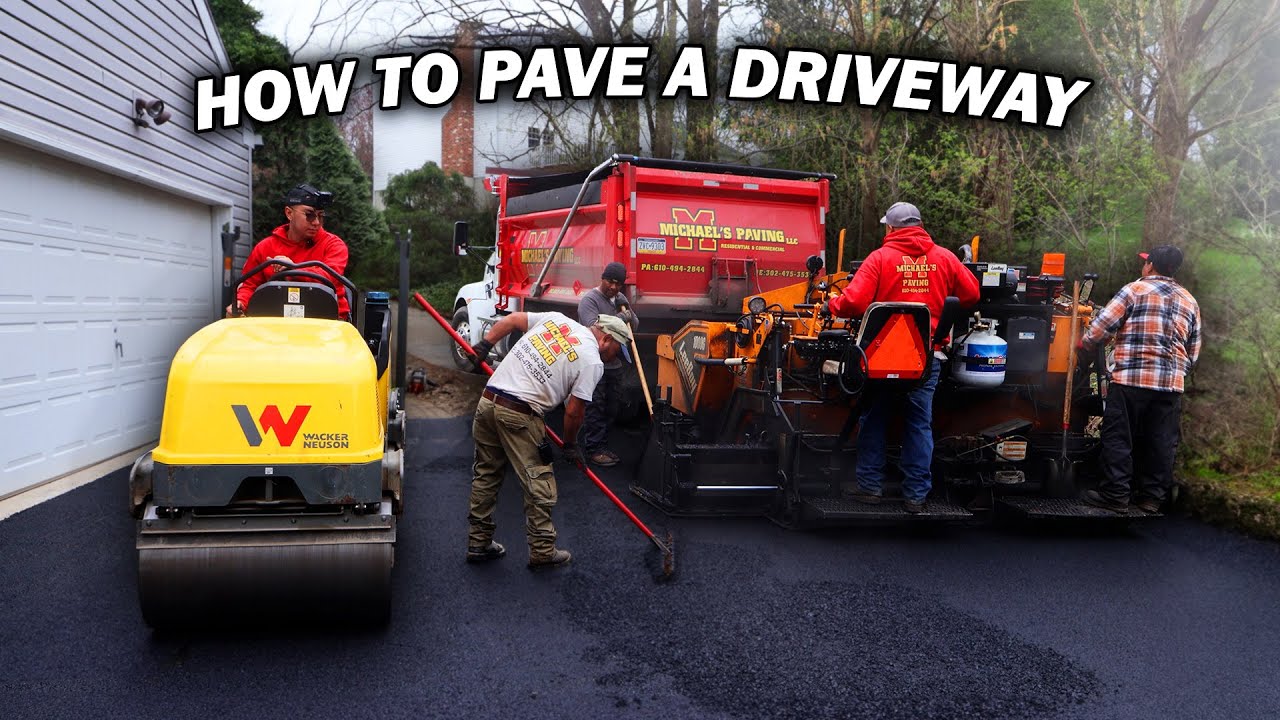
A successful asphalt driveway installation follows a clear, methodical process that emphasises subsurface preparation and pet safety features. Key steps include site assessment, base preparation, compaction, surfacing, and finishing touches tailored for pet use.
Site assessment and preparation
Evaluate soil type, existing vegetation, slope, and access. Soft or clay soils common in some Redland Bay lots may require extra sub-base depth or geotextile reinforcement, especially for an acreage driveway that will carry heavier vehicles like trailers and farm equipment.
Sub-base and compaction
A well-compacted aggregate sub-base prevents settling and potholes that can injure pets’ paws. Standard practice in 2026 is to use a minimum of 150–300mm of compacted roadbase for residential driveways, deeper for heavy-duty or rural access lanes. Ensure contractors use plate compactors or rollers to achieve the required compaction rates.
Pet-friendly surface treatments and finishing
Finishing choices influence durability and pet comfort:
Sealing and surface coatings
Apply a high-quality seal coat within the first year to protect the surface from oil, UV degradation, and water ingress. Consider cool sealer products designed to reflect infrared light and lower surface temperatures. Avoid solvent-heavy finishes that emit strong odours until fully cured, and keep pets off the area during curing.
Edge treatments and transitions
Use rounded kerb edges or resin-based ramped transitions to reduce sharp height changes that can trip small animals. Where asphalt meets lawn or soft landscaping, install narrow expansion joints filled with fine aggregate or flexible sealant to prevent cracking and give a neat, pet-safe border.
Maintenance practices for pet-safe asphalt surfaces
Ongoing maintenance preserves safety and extends the life of the asphalt. Recommended tasks include:
- Sweep regularly to remove debris, leaves, and abrasive particles. Promptly repair cracks and potholes to avoid paw injuries. Re-seal every 3–5 years depending on exposure and wear. Clean oil and chemical spills quickly with pet-safe cleaners to prevent ingestion and paw contamination.
Landscaping and yard features to complement asphalt areas
Integrate soft landscaping to support pet wellbeing:
Pet-friendly plants and surfaces
Select non-toxic, native grasses and groundcovers that withstand wear. Use mulch alternatives like rubber crumb or treated pine in garden beds to minimise ingestion risks. Consider artificial turf zones for high-traffic play areas—pair with permeable edging to avoid drainage issues.


Play and exercise zones
Designate a specific run or play court separated from vehicle areas. Incorporate porous surfaces, shade, drinking stations, and secure fencing. On acreage properties, plan multiple containment paddocks with separate access gates to safely rotate grazing or exercise areas.
Working with contractors and choosing materials
When hiring for asphalt driveway installation or asphalt carpark construction in Redland Bay, follow these guidelines:
Obtain multiple quotes and confirm contractor experience with pet-friendly projects and local site conditions. Ask for material specifications (aggregate size, binder grade) and expected compaction standards. Request a written maintenance schedule and warranty details for surfacing and sealing. Confirm compliance with Redland City Council requirements and erosion control during construction.Cost considerations and lifecycle planning
Asphalt is a cost-effective long-term solution for pet-conscious households. Initial installation costs vary by site complexity, base requirements, and driveway length. Factor in lifecycle costs like sealing, repairs, and potential surface cooling treatments. For acreage driveway projects, budget for heavier sub-base work and more extensive drainage controls.
Final checklist for Redland Bay pet-friendly asphalt projects
Use this checklist before proceeding:
- Obtain necessary council permits and confirm stormwater plans. Choose an asphalt mix tailored for pet safety and local climate. Plan shade, cooling, and secure fencing integrated with the driveway layout. Specify durable edge treatments and smooth transitions to soft areas. Schedule regular maintenance and sealing to preserve surface health.
Looking ahead: trends and technologies for 2027 and beyond
Advances in cool pavement coatings, permeable asphalt mixes, and eco-friendly binders continue to emerge. From 2027 onward, expect more accessible low-temperature binders and recycled-content asphalt options well-suited to sustainable Redland Bay developments. These technologies can improve thermal comfort and environmental performance without compromising pet safety.
Planning a pet-friendly asphalt driveway or yard in Redland Bay involves thoughtful material selection, compliant design, and routine maintenance. By prioritising surface texture, drainage, shade, and secure boundaries, you create a safe, durable outdoor environment that accommodates pets, vehicles, and local weather conditions for years to come.
Redland Bay Asphalt Driveways
5/50 Jardine Dr, Redland Bay QLD 4165, Australia
ph. (07) 3132 1203